

ConstructionLindsay SaundersThu 23 Jul 26
Atlassian Central Tops Out World’s Tallest Hybrid Timber Tower

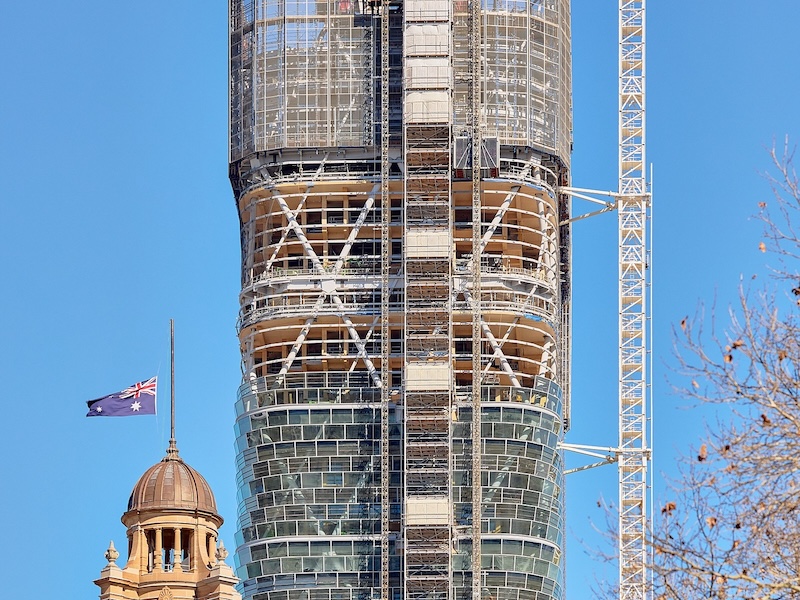
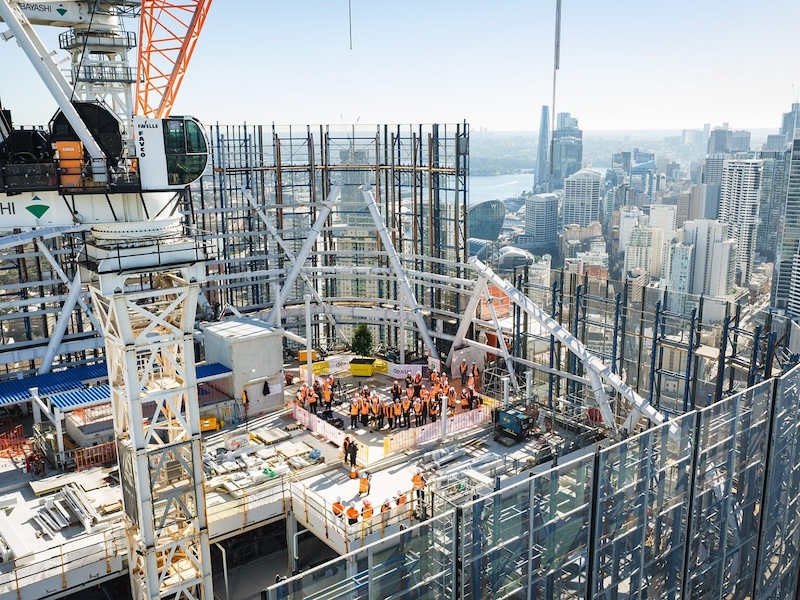
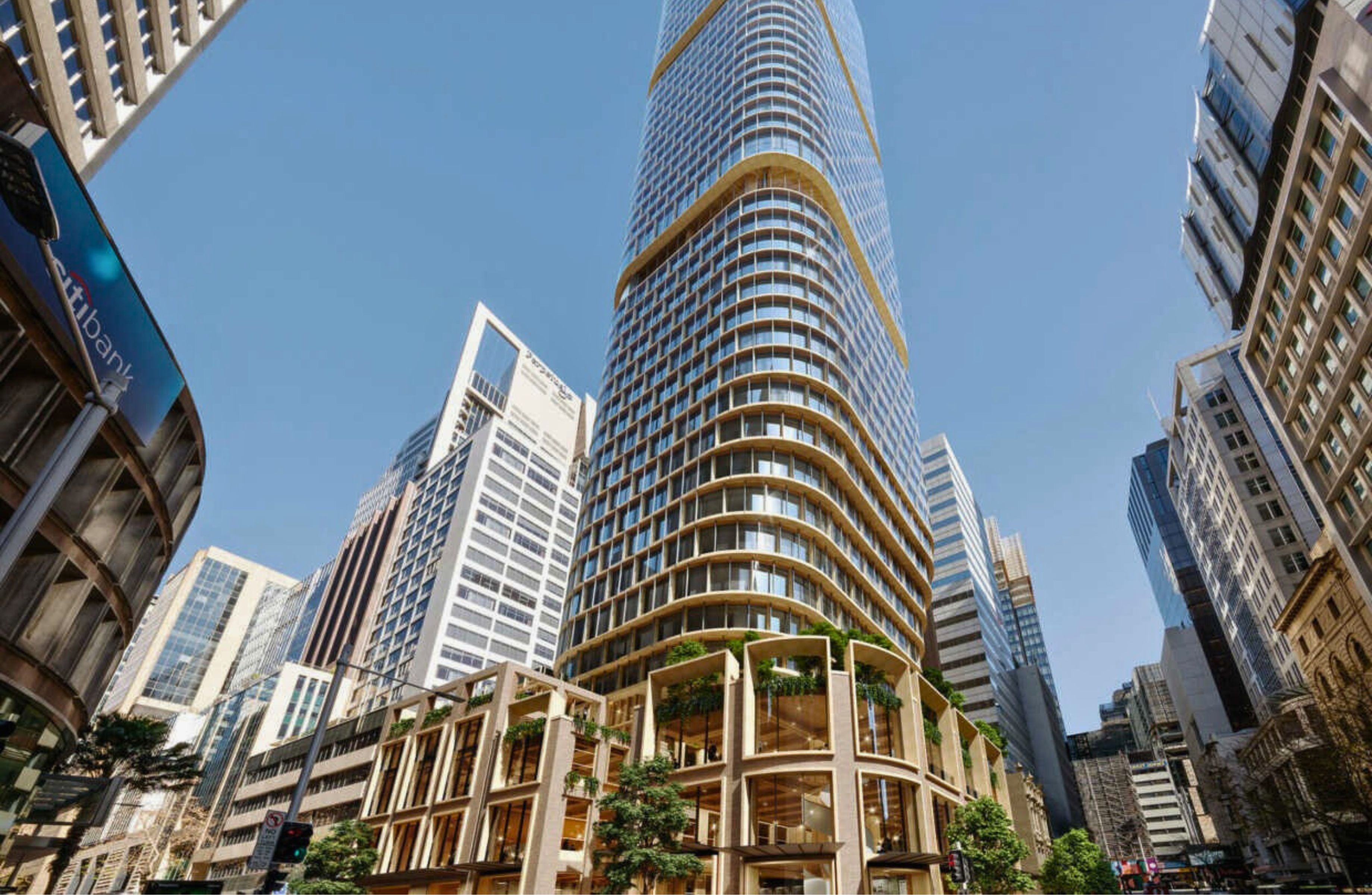
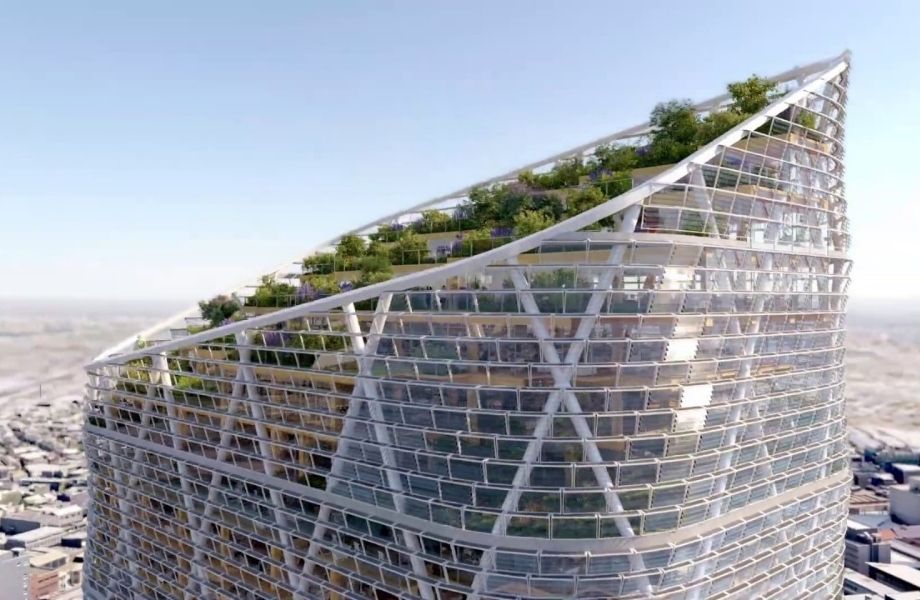
Sydney’s Atlassian Central has reached its full structural height as the $1.45-billion office tower tops out at 39 storeys to become the world’s tallest hybrid timber building.
The completion of the tower’s structural frame comes more than four years after work began on the landmark development above Central Station.
At more than 180m tall, the building surpasses the previous record holder, the 25-storey Ascent tower in Milwaukee in the US by about 100 metres.
The project combines mass timber with steel and concrete in a hybrid structural system designed to reduce embodied carbon while meeting the engineering requirements of a high-rise commercial tower.
Construction is being delivered by Built in a joint venture with Japan’s Obayashi Corporation for co-owners Dexus and Atlassian.
The tower is expected to reach practical completion by the end of this year.
The project has become one of Australia'’ most closely watched commercial developments since it was unveiled in 2020, both for its engineering ambition and its role in the transformation of Sydney’s Tech Central precinct.
Designed by SHoP Architects and BVN, Atlassian Central will provide about 75,000sq m of office space and serve as Atlassian’s global headquarters.
The development incorporates about 10,000cu m of engineered timber imported from Austria, 8000 tonnes of structural steel and 30,000cu m of low-carbon concrete.
Dexus Group chief executive Ross Du Vernet said the project demonstrated that large-scale commercial buildings could be executed in new ways.
“We set out to prove that large-scale commercial buildings can be delivered differently,” Du Vernet said.
“This project has been pioneering in every sense, demonstrating how we can reduce carbon, support wellbeing, and create a workplace built for the future.”
Atlassian chief executive Mike Cannon-Brookes said the building had been conceived as a technology platform rather than a conventional office tower.
“It’s the most technologically advanced building in Australia,” Cannon-Brookes said, “operating like a software platform, sensing, learning and adapting in real time.”

1 of 5
The tower targets a 50 per cent reduction in upfront embodied carbon compared with a conventional premium commercial office building, together with a 50 per cent improvement in operational energy efficiency over a standard 5 Star NABERS-rated office.
It is also targeting 6 Star Green Star, Platinum LEED and Platinum WELL certifications and will operate entirely on renewable electricity without fossil fuels.
The project has been without setbacks.
Construction began in 2022 after delays linked to the pandemic, design development and the complexity of engineering what was then an unprecedented timber skyscraper.
The project has also required significant redesign and extensive testing to satisfy Australia’s fire safety and structural performance standards for a building of its height.
Supply chain challenges affecting imported engineered timber and specialised building components also added pressure to the delivery program during construction.
Despite those hurdles, the tower has become a flagship for Australia’s emerging mass timber sector and a case study for the use of prefabricated structural systems in high-rise construction.
The building forms a centrepiece of the broader Tech Central innovation precinct surrounding Central Station, where government and industry are seeking to create a globally competitive technology and innovation hub.
With the structural frame now complete, work will continue on the facade, services and internal fit-out ah





